
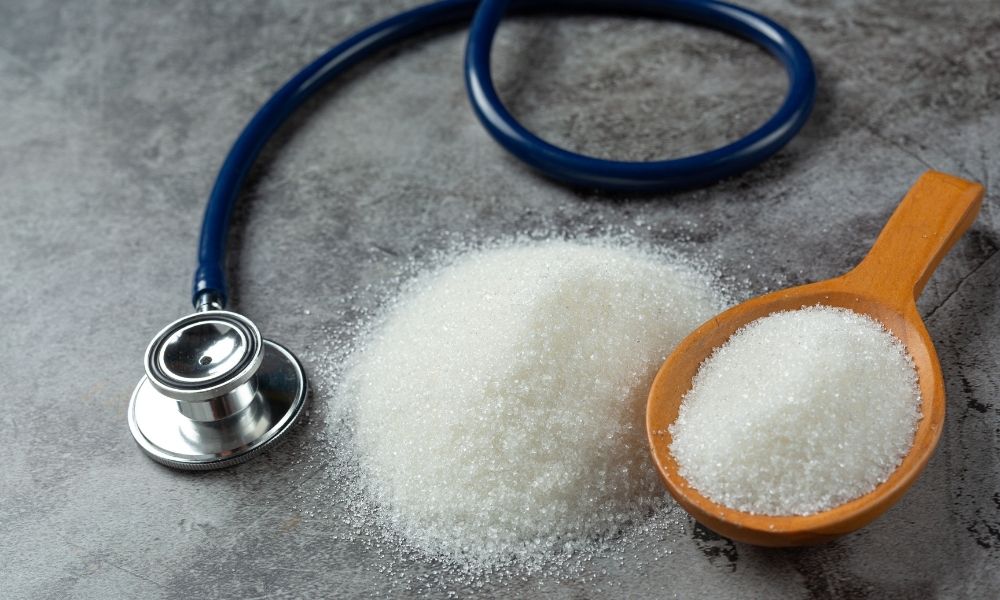
This article examines MSG and its health effects, exploring both sides of the argument. MSG is short for monosodium glutamate. It is a common food additive that is used to enhance flavor. MSG is derived from the amino acid glutamate, or glutamic acid, which is one of the most abundant amino acids in nature. Glutamic acid is a non-essential amino acid, meaning that your body can produce it. It serves various functions in your body and is found in nearly all foods. Chemically, MSG is a white crystalline powder that resembles table salt or sugar. It combines sodium and glutamic acid, known as a sodium salt. The glutamic acid in MSG is made by fermenting starches, but there is no chemical difference between the glutamic acid in MSG and that in natural foods. However, the glutamic acid in MSG may be easier to absorb because it isn’t bound inside big protein molecules that your body needs to break down. MSG enhances the savory, meaty umami flavor of foods. Umami is the fifth basic taste, along with salty, sour, bitter and sweet. This additive is popular in Asian cooking and used in various processed foods in the West. The average daily intake of MSG is 0.55–0.58 grams in the US and UK and 1.2–1.7 grams in Japan and Korea.
Glutamic acid functions as a neurotransmitter in your brain. It is an excitatory neurotransmitter, meaning that it stimulates nerve cells in order to relay its signal. Some people claim that MSG leads to excessive glutamate in the brain and excessive stimulation of nerve cells. For this reason, MSG has been labeled an excite toxin. Fear of MSG dates as far back as 1969, when a study found that injecting large doses of MSG into newborn mice caused harmful neurological effects. Since then, books like Russell Blaylock’s “excite toxins: The Taste That Kills” have kept this fear of MSG alive. It’s true that increased glutamate activity in your brain can cause harm and that large doses of MSG can raise blood levels of glutamate. However, dietary glutamate should have little to no effect on your brain, as it cannot cross the Blood-Brain Barrier in large amounts. Overall, there is no compelling evidence that MSG acts as an excite toxin when consumed in normal amounts.
At Rainbow International Works (RIW), we believe that knowledge empowers both businesses and consumers. Since Monosodium Glutamate (MSG) is one of our key food ingredients, we are committed to sharing clear, science-based information on its safety, benefits, and global recognition.
Sensitivity and Safe Consumption:
Some individuals may experience mild sensitivity to MSG, often known as the “MSG Symptom Complex.” Studies show that reactions such as headaches or flushing occur only at very high doses, around 3–5 grams per meal — much higher than typical dietary intake. The majority of scientific research confirms that MSG is safe for general consumption and that such reactions are rare and temporary.
Impact on Flavor and Calorie Intake:
MSG enhances the natural umami flavor, making food taste richer and more balanced. It can improve the flavor of low-sodium meals, allowing for up to 30–40% less salt without reducing taste. Some studies suggest that MSG may help regulate appetite by stimulating flavor receptors, although it should not be used as a weight control method.
Relationship with Obesity and Metabolic Health:
While some early animal studies linked high doses of MSG injections to weight gain, later human studies found no consistent connection between MSG consumption and obesity. Typical dietary levels are safe and not associated with metabolic disorders. MSG also contains only one-third the sodium found in regular table salt, making it a better option for maintaining healthy sodium levels.
Global Recognition and Safety:
MSG has been safely used in food production for over 100 years. It is classified as “Generally Recognized as Safe (GRAS)” by the U.S. Food and Drug Administration and approved as a food additive by the European Union (E621). The FAO/WHO Joint Expert Committee on Food Additives (JECFA) also confirms its safety for human consumption. MSG’s active component, L-glutamate, naturally occurs in many foods such as tomatoes, cheese, and mushrooms — enhancing the same umami taste found in nature.
At a Glance:
- Safe and approved by global food authorities (FDA, EU, WHO).
- Enhances the natural umami flavor of food.
- Helps reduce salt intake by 30–40%.
- No proven link to obesity in normal consumption.
- Naturally derived from the amino acid glutamic acid.
Rainbow International Works remains dedicated to promoting transparency, quality, and scientific understanding in the food industry — ensuring that every ingredient we deliver supports our promise of “Good Food, Healthy Life.”